



Trusted By Flight Schools & Pilots Worldwide








The Standard in Flight Simulation Training
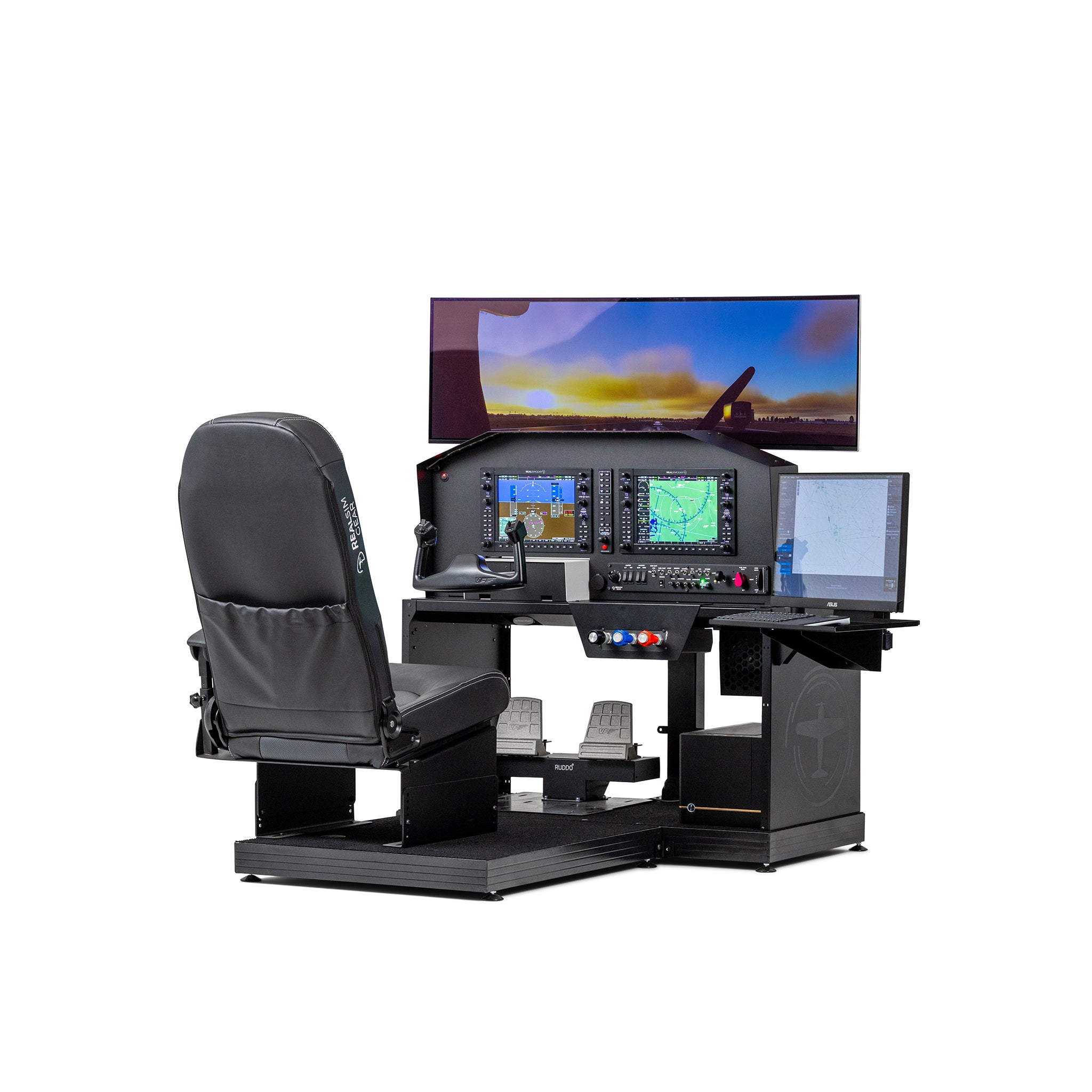
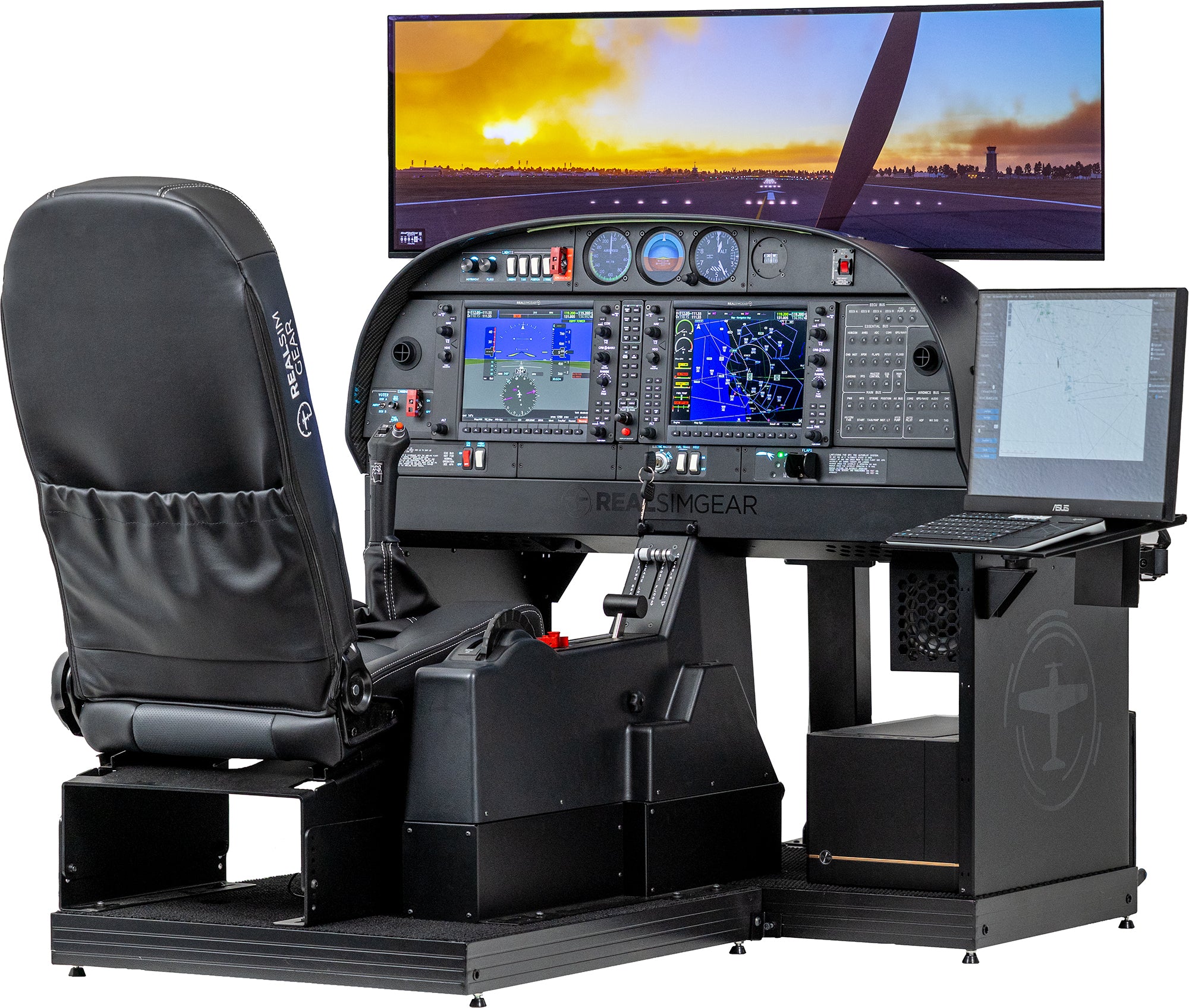
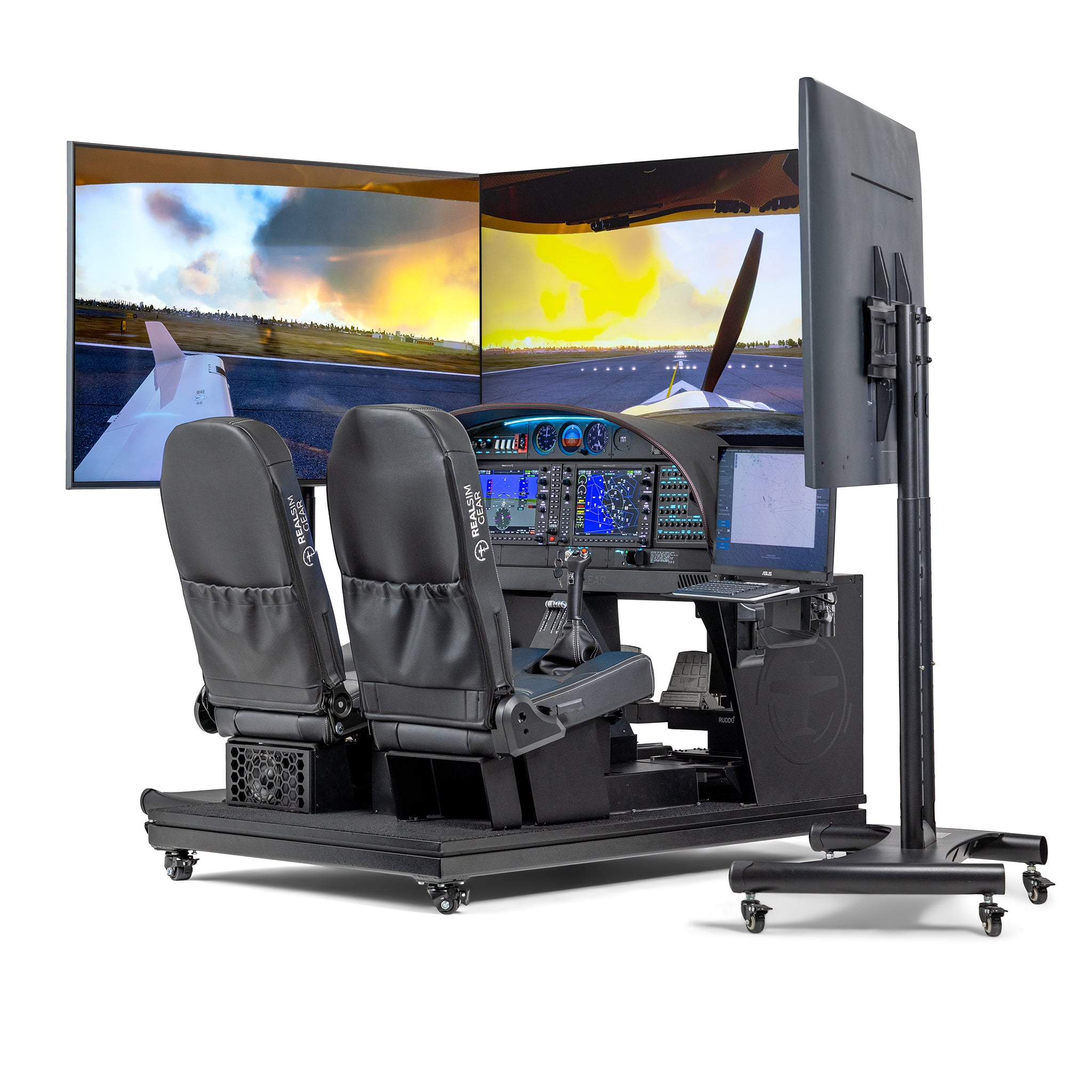
RealSimGear designs and manufactures flight simulation hardware that looks, feels, and functions like real-world avionics. From individual components to complete FAA-approved training devices, our systems deliver the realism and reliability required for effective training at home or in the classroom.
FAA Approved Packages
Select RealSimGear simulators are FAA-approved, allowing pilots to log training time and maintain instrument currency. Learn More.



Countries
Training Centers
Deliveries
Flight Training Solutions
Built for How You Train
From home cockpits to flight schools, our simulators deliver accurate, reliable training that builds real-world proficiency.

Latest Updates
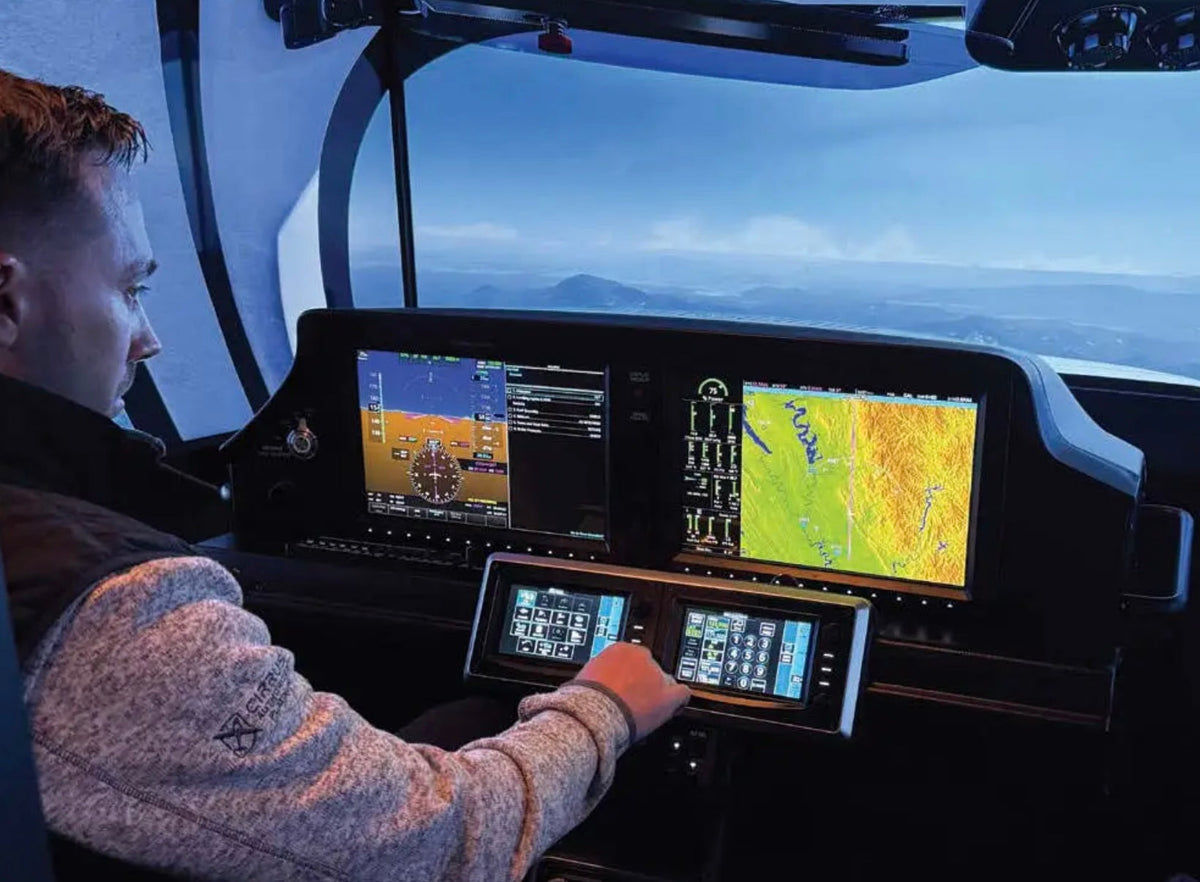
RealSimGear Returns to FLYING Magazine: Cirrus Mission Ready on the SR7x Pro
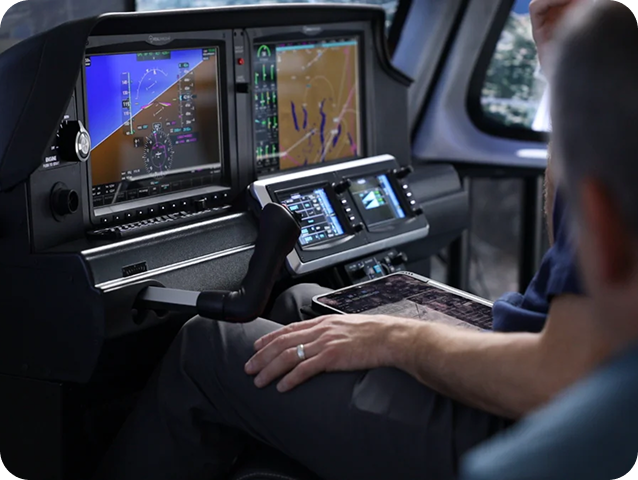
What is RealSimGear Signature Support?
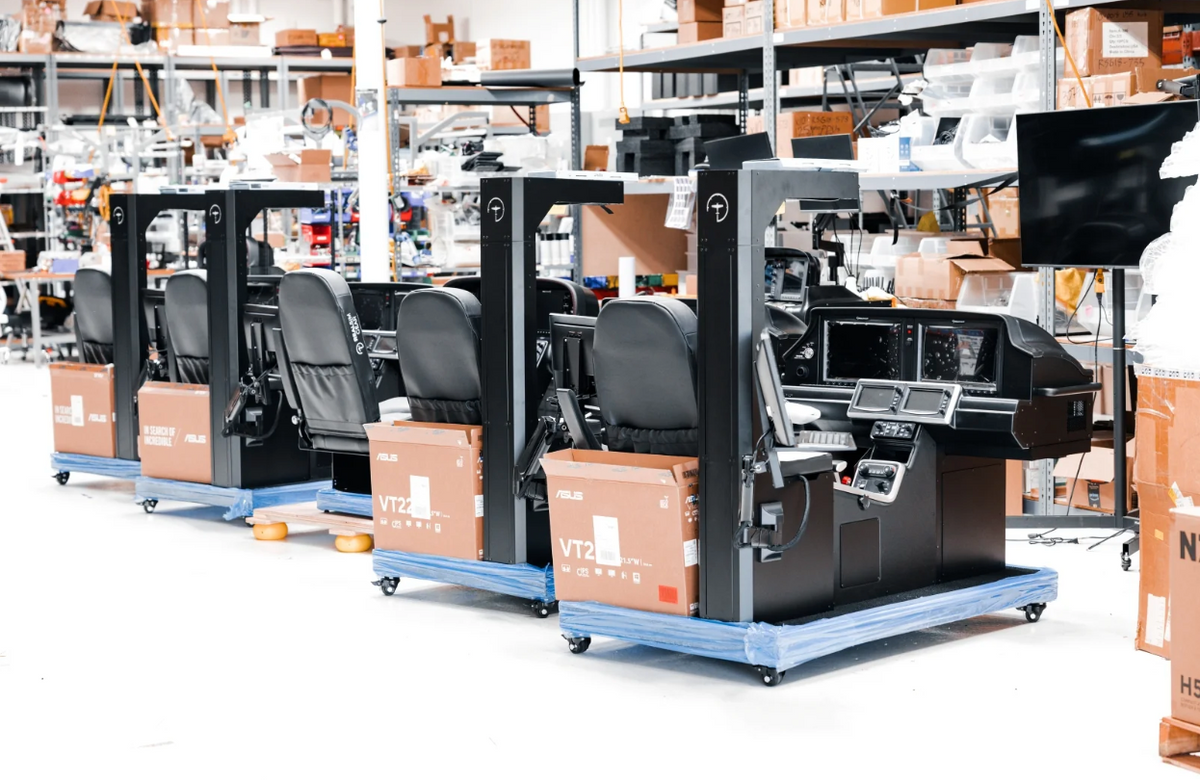
We just shipped our 200th SR7x
In September 2026, the 200th SR7x left our San Diego facility. Two hundred Cirrus SR G7-specific cockpits, built one at a time, now sit in homes, hangars, flight schools and training centers in more than 14 countries. Every one of them was hand built, individually commissioned and test flown before it shipped. After delivery, our servers keep the avionics software and navigation databases current, and our Support Team tracks every SR7x in the field so it’s ready when a pilot or instructor needs it. Here’s how we earn the trust behind those 200 simulators, and what comes next.